Overview
Take a 10-day pilgrimage across the Australian Camino, also known as the Mary MacKillop Way, a journey that perfectly balances scenery, soul-searching, and spiritual growth. This unique trek offers a chance to connect with nature while exploring the beautiful landscapes of South Australia and Victoria.
Following in the Footsteps of Mary MacKillop
Walking a Camino is a centuries-old tradition, offering pilgrims a spiritual journey inspired by lives of fulfilment and service. The Aussie Camino follows in the footsteps of Mary MacKillop, Australia’s first saint, who dedicated her life to faith, education, and kindness.
Starting in Portland, where Mary MacKillop gained her early teaching experience, the pilgrimage ends in Penola. Penola is where she co-founded the Sisters of St Joseph with Father Julian Tenison Woods. Reflecting on their humble beginnings, Mary wrote in 1891:
“Little did either of us then dream of what was to spring from so small a beginning.”
Pilgrims can visit significant sites such as the stable park, the schoolhouse, and St Joseph’s Church, taking time for reflection and prayer.
The Path of the Pilgrimage
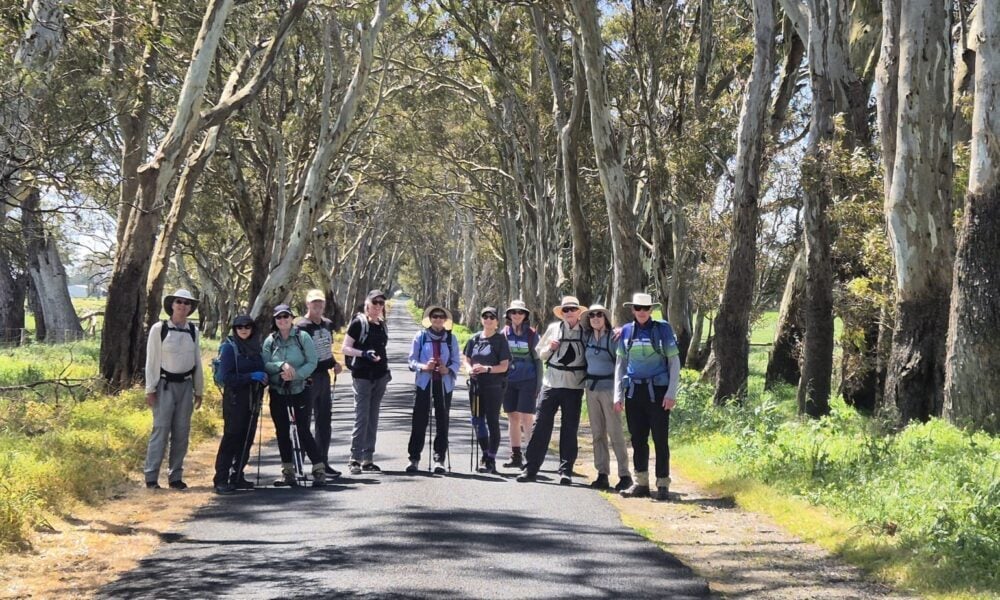
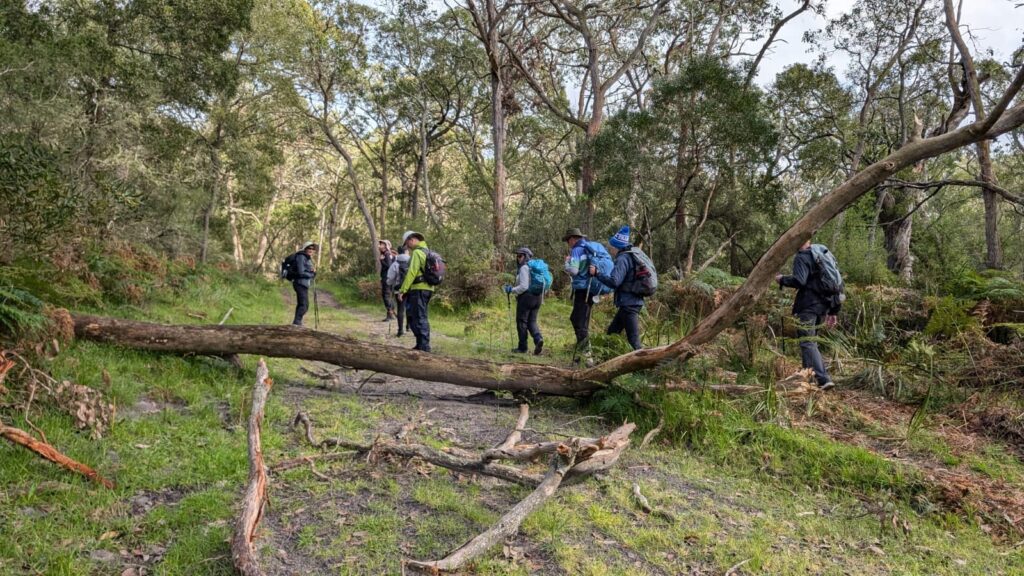
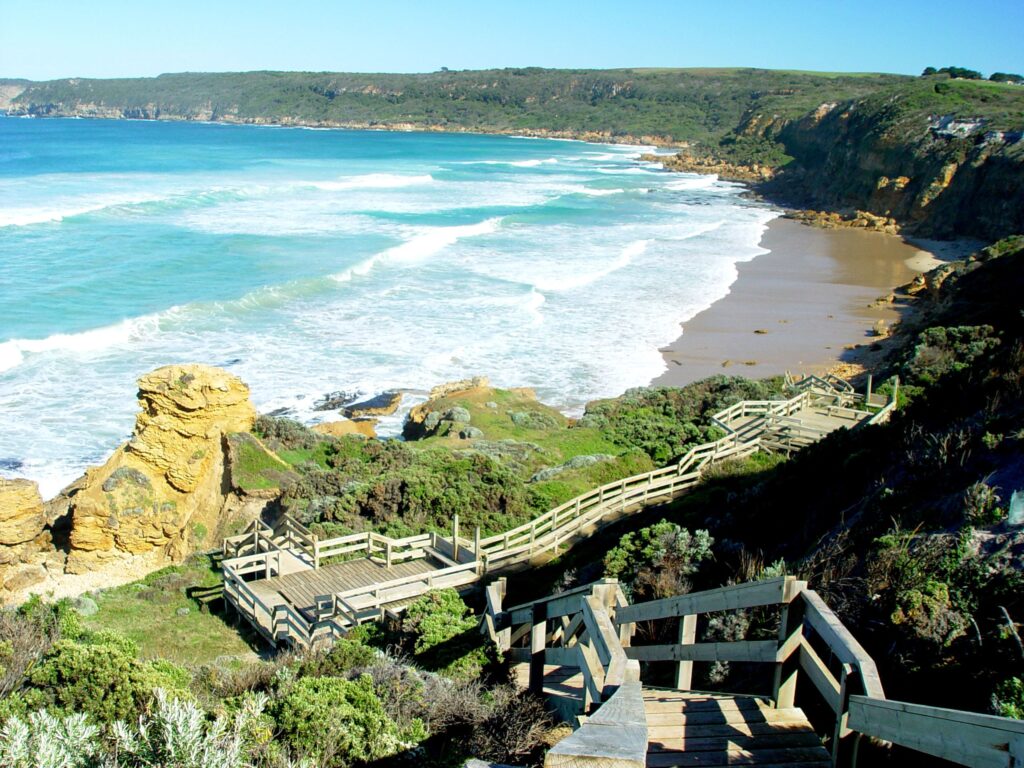
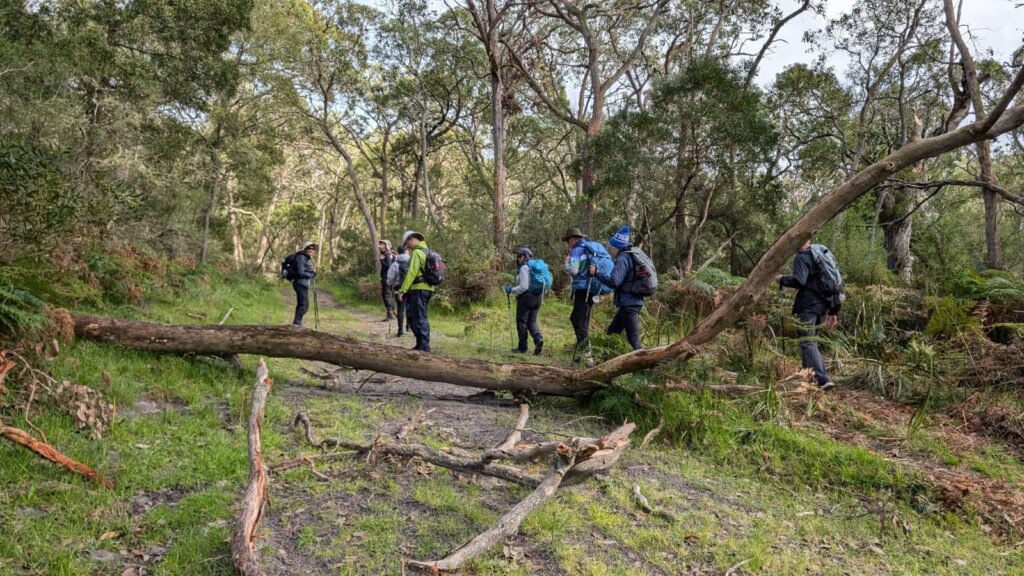
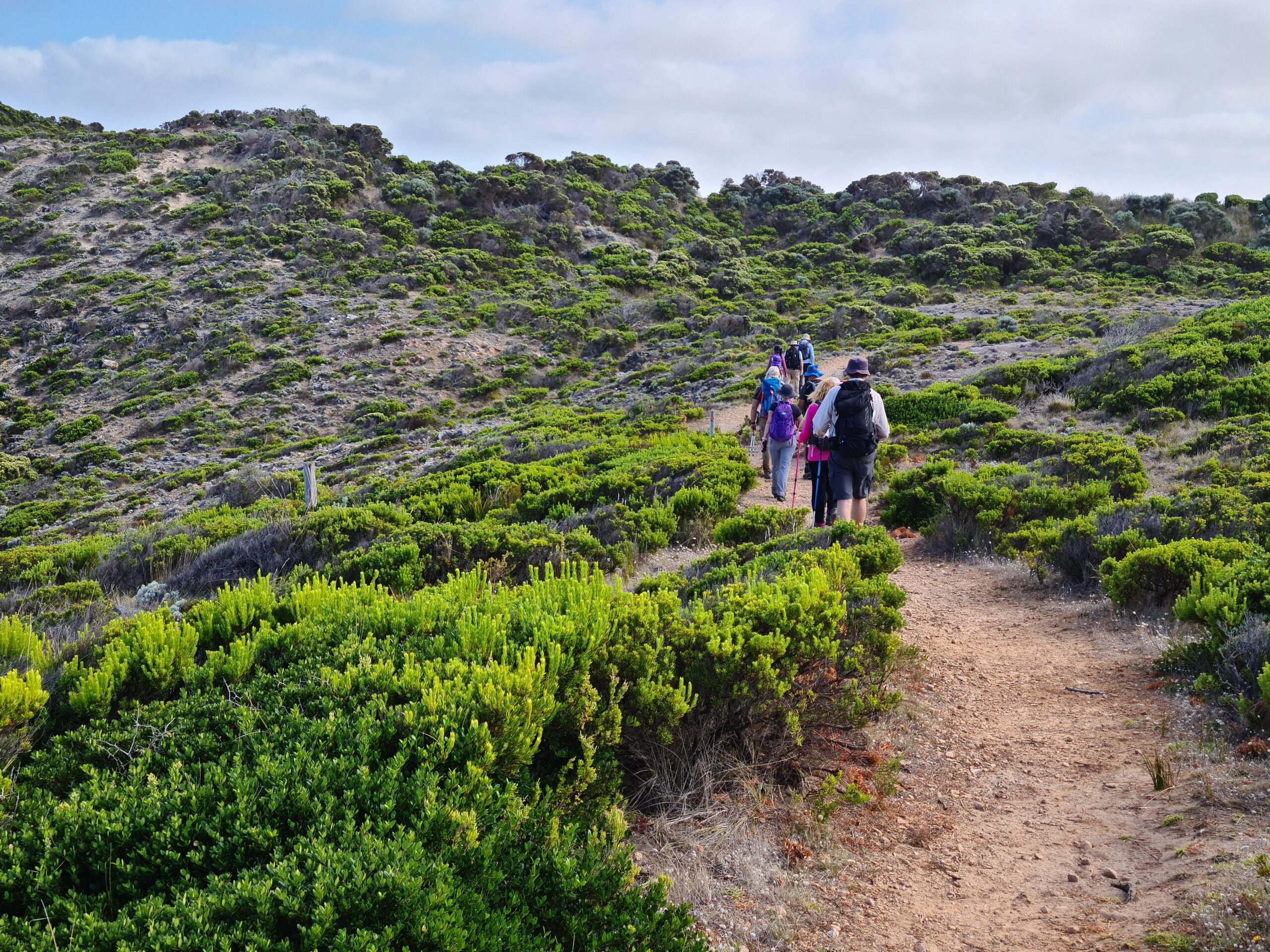
For the first few days, the route follows the Great South West Walk (GSWW), a scenic 250-kilometre track established in 1981. It winds through stunning national parks, including Lower Glenelg, Cobboboonee, Discovery Bay Coastal, Mount Richmond, and Cape Nelson State Park.
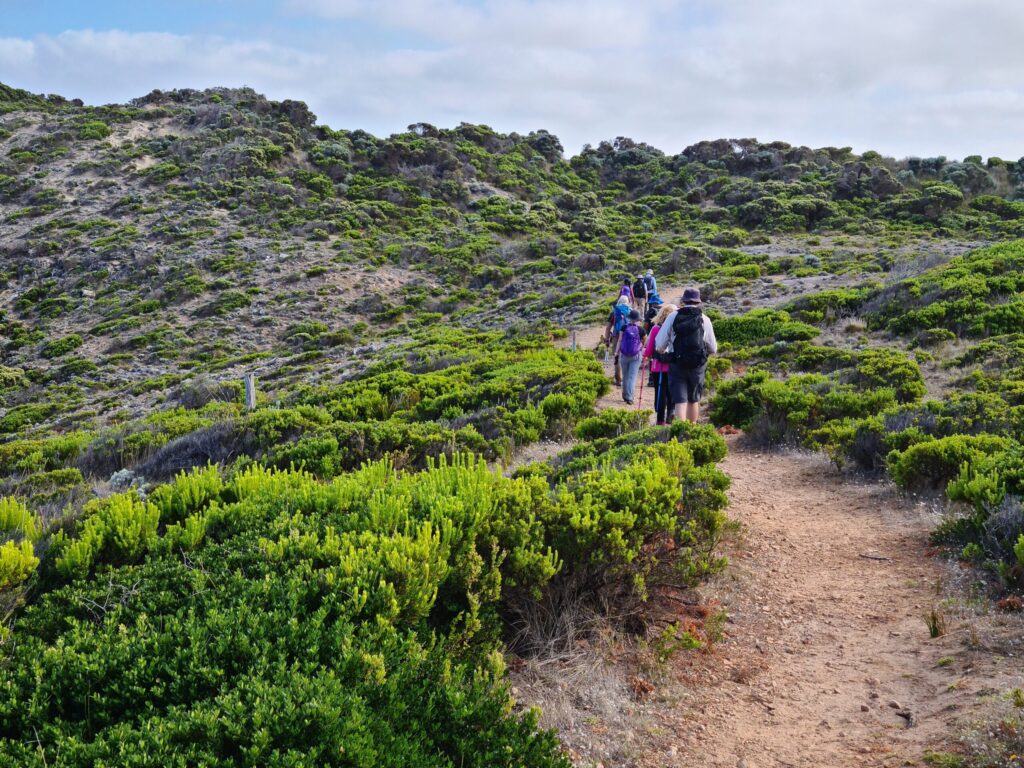
As the journey progresses, the path continues along farm tracks, goat trails, minor roads, and even abandoned railway lines, offering a peaceful and reflective experience.
The Aussie Camino is a calm and rewarding pilgrimage for those seeking spiritual growth, personal reflection, and an opportunity to walk in the footsteps of an extraordinary woman.
“Oh, how I wish we would only remember that we are but travellers here.”– Mary MacKillop, 17 November 1866
What's Included
Day-by-day itinerary
Day 1:
Depart from Melbourne
Our official meeting point is the Mary MacKillop Centre in Melbourne. Our private bus will be departing from here at 10.00am. As a group we will make our way to Portland, which will be our first stop for the night.
Day 2:
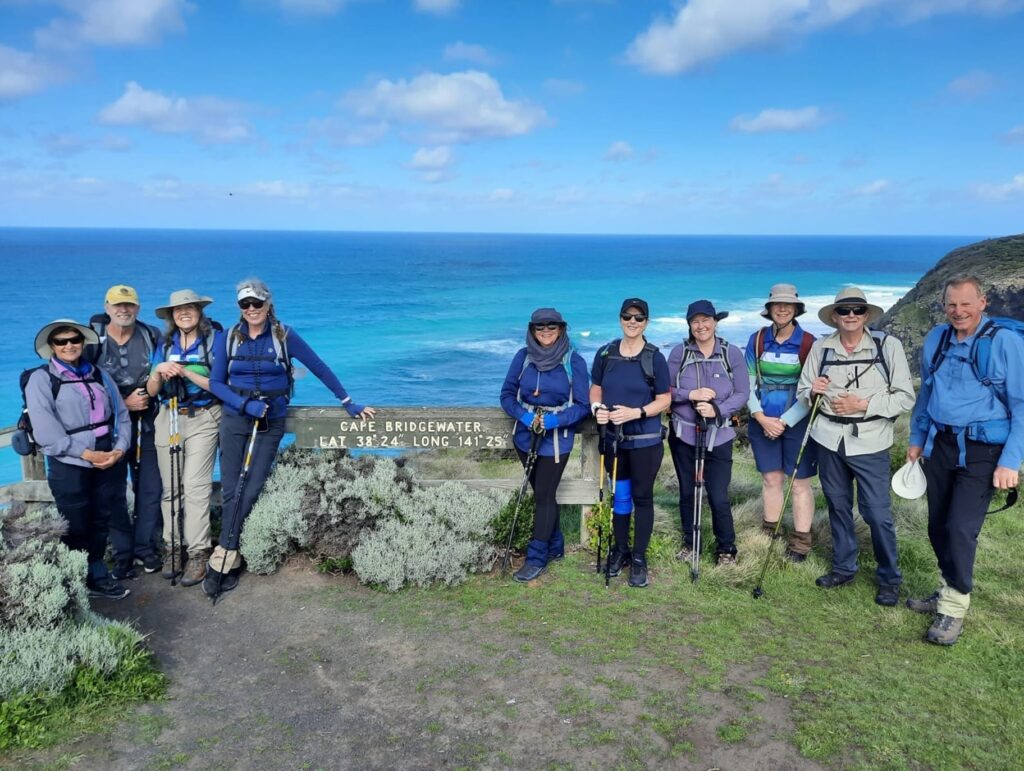
Start Pilgrimage: Portland to Cape Bridgewater
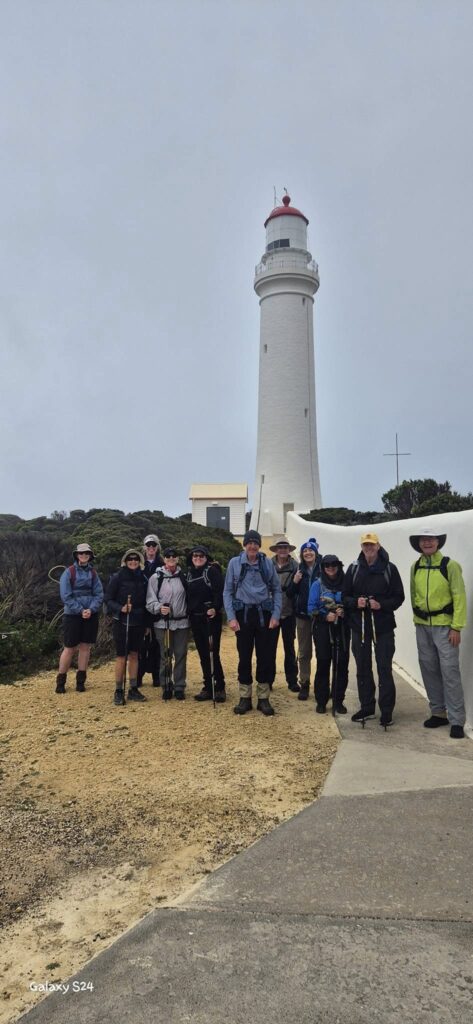
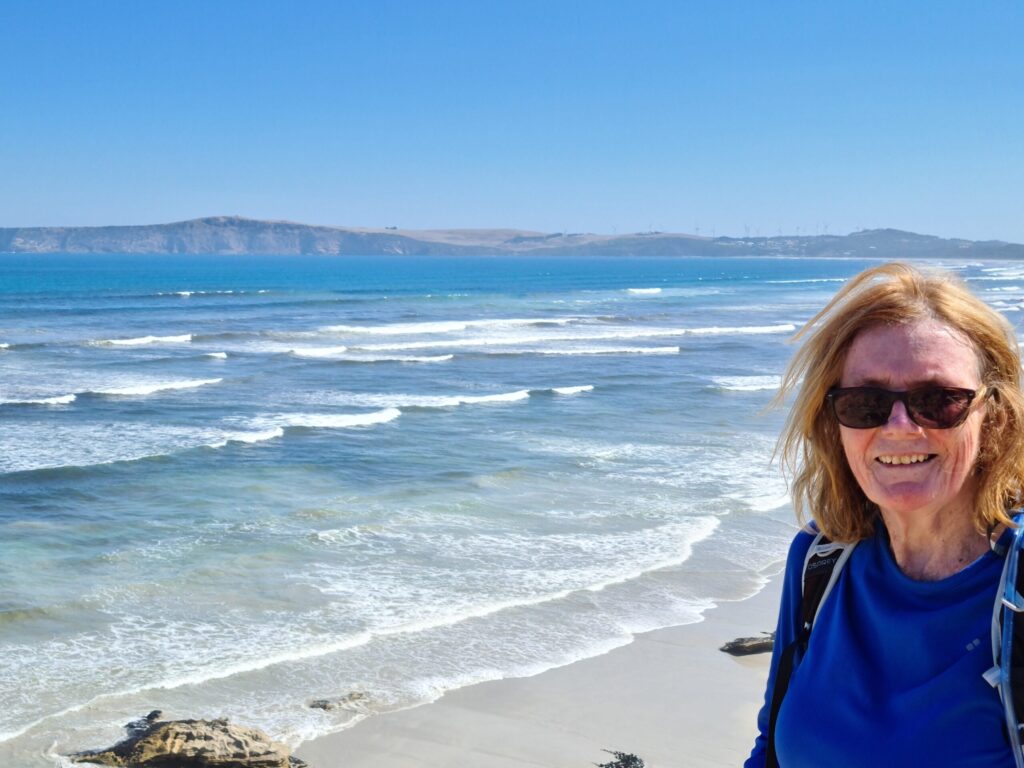
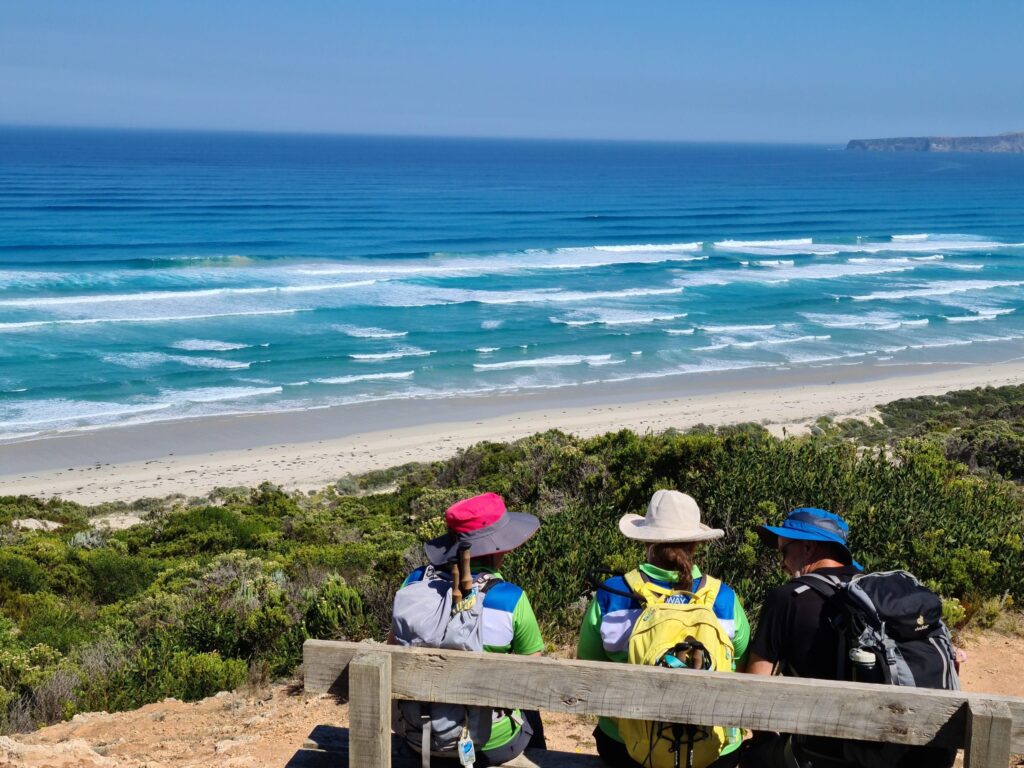
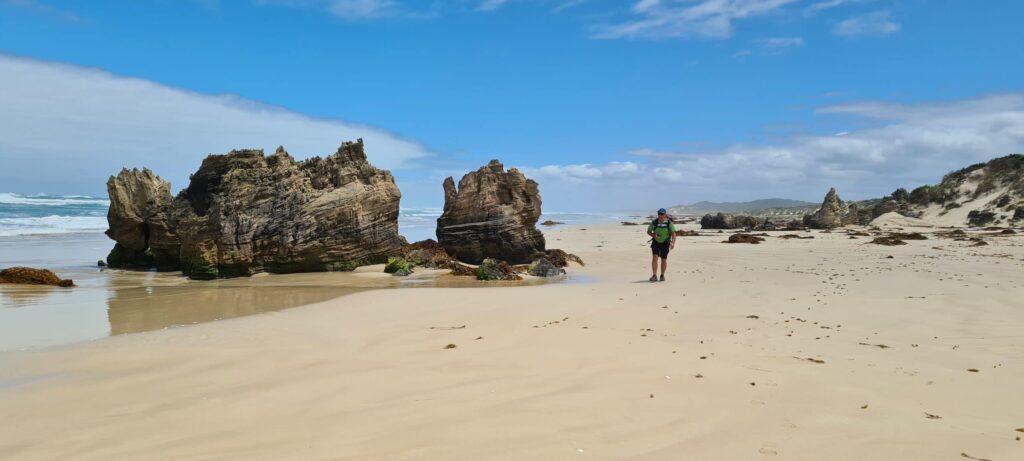
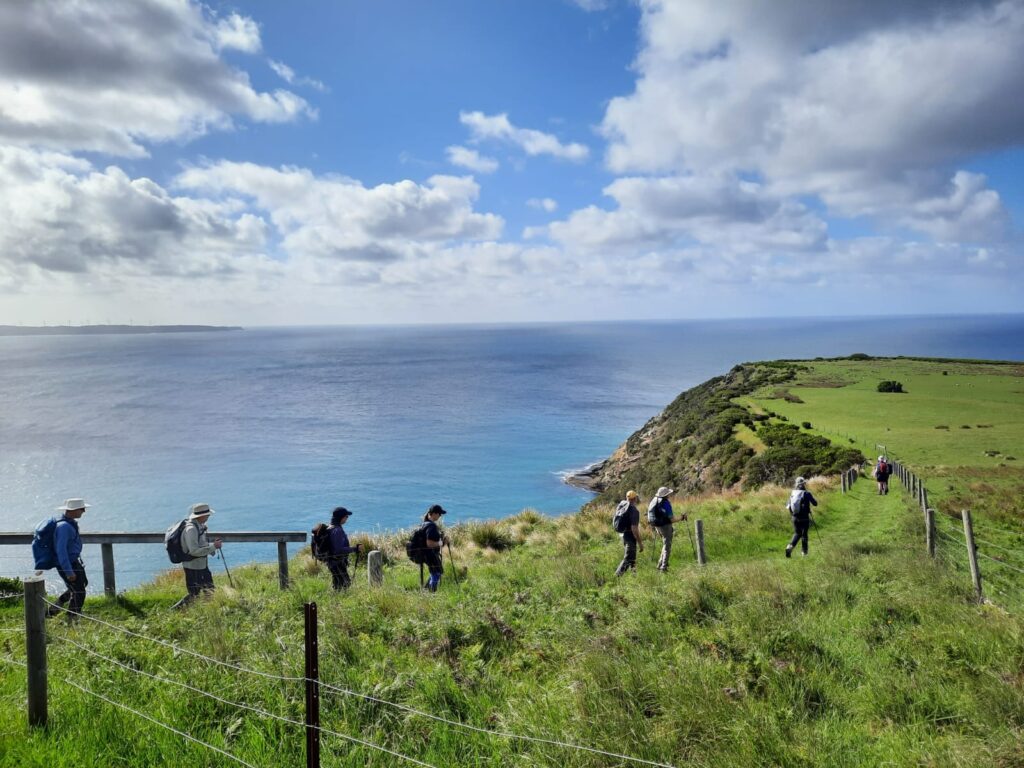
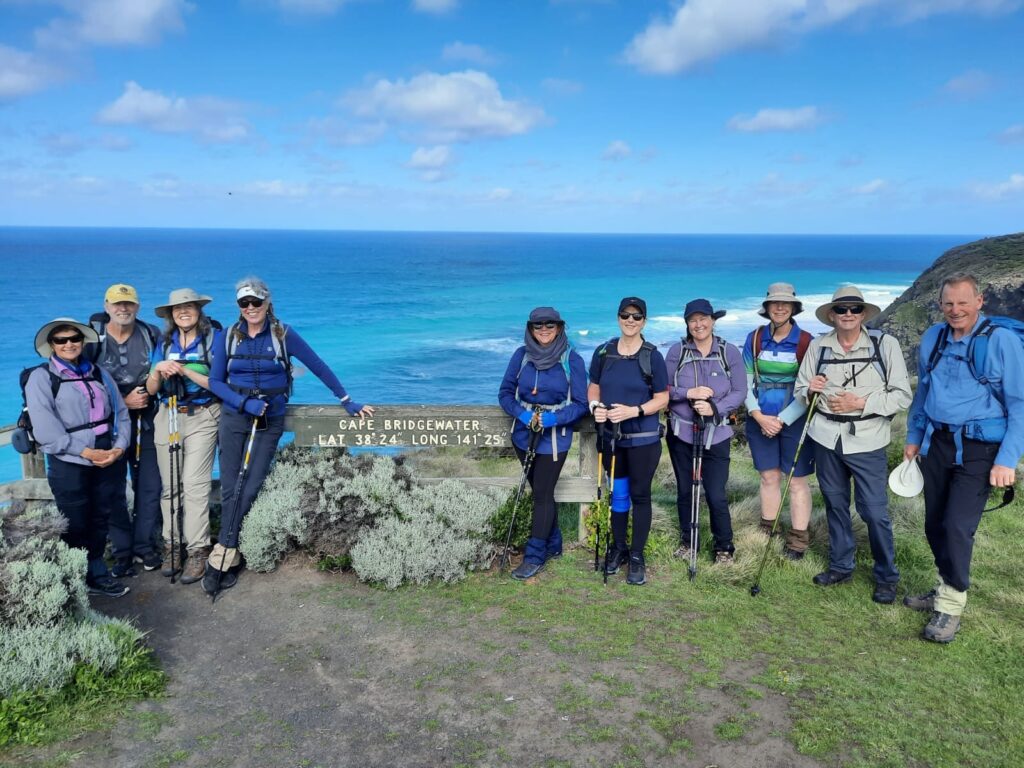
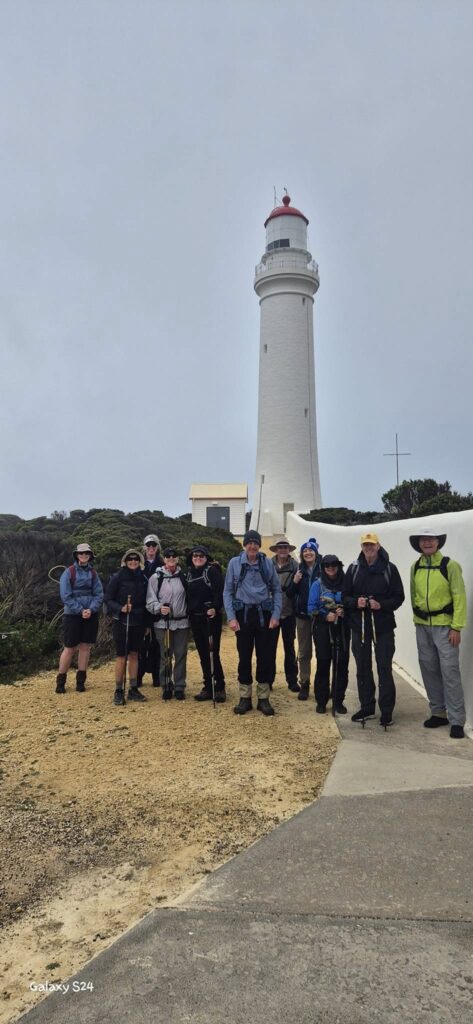
Breakfast is followed by a tour of Bayview College and All Saints Church, where Mary MacKillop and her sister, Annie, taught at the school. Transfer to trek start. For the first three days, we follow the Great South West Walk, established in the 1980's and taking us through stunning country. We drive to Cape Nelson Lighthouse, where we start our trek, following coastal tracks that run along clifftops, affording spectacular views. With about 5kms to go we descend to bush tracks to the coastline and beach walk. On completion, we board our bus and return to Portland for our second night's accommodation at Victoria House.
Day 3:
Cape Bridgewater to Bridgewater lakes
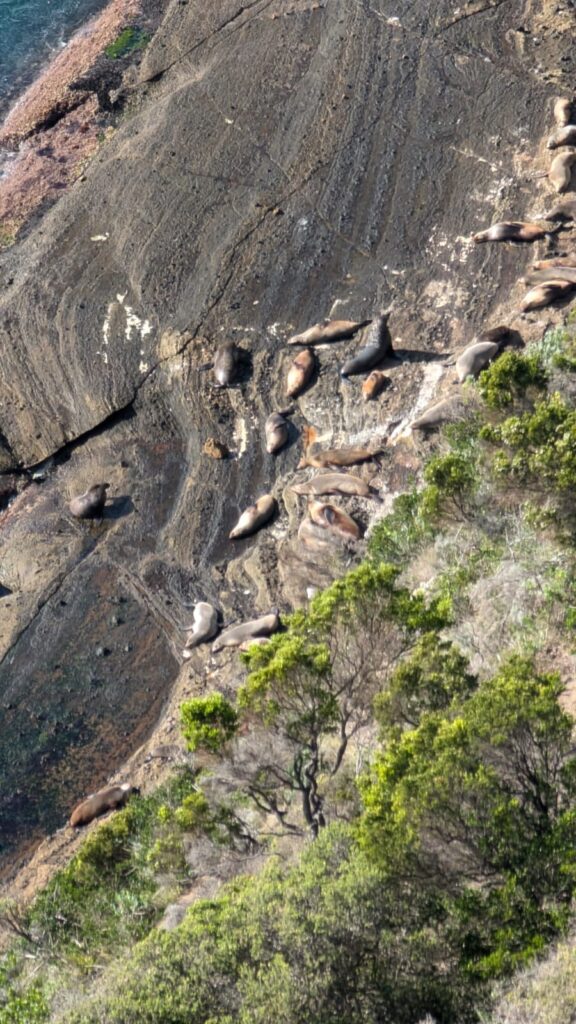
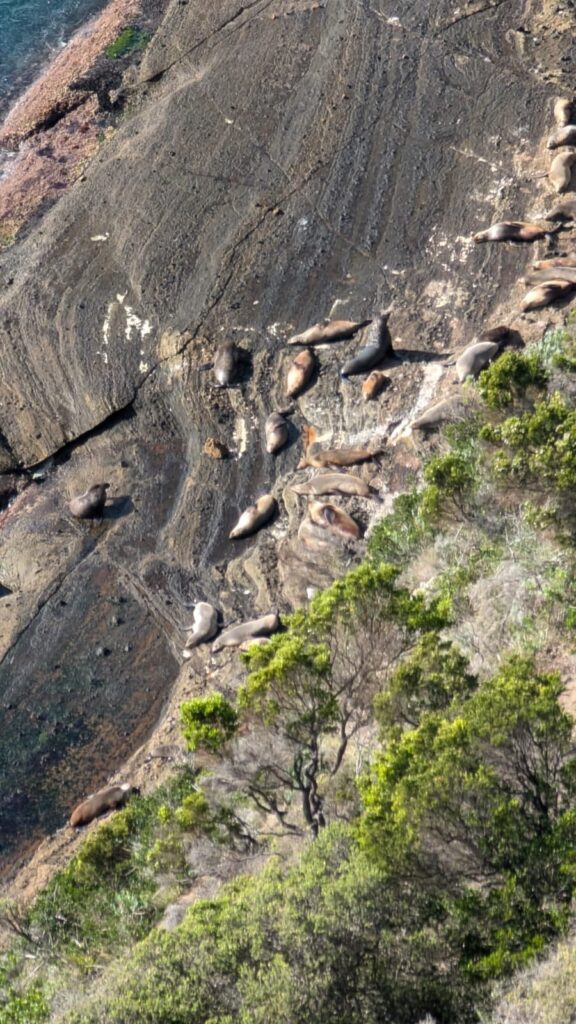
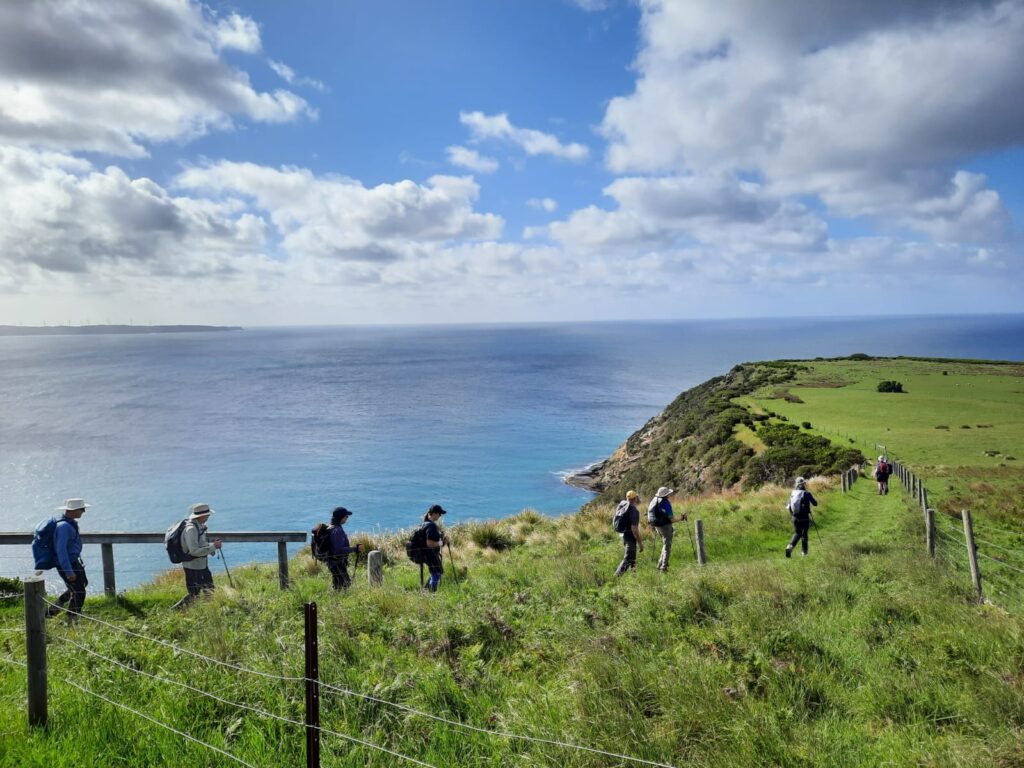
Day 3 is a very enjoyable day. We continue walking along clifftops, again enjoying views of stunning vistas, a seal colony, and many turbines. We then proceed to Bridgewater Lakes, our finish point for the day. Our bus will pick us up and transfer us back to Portland for the third night of our stay at Victoria House.
Day 4:
Mt Richmond to Swan Lake
Today, we leave the beach and the coastland to experience the Australian Bush. Our walk takes us to the Summit of Mt Richmond. We have made this change so that our bus can now meet you for lunch!
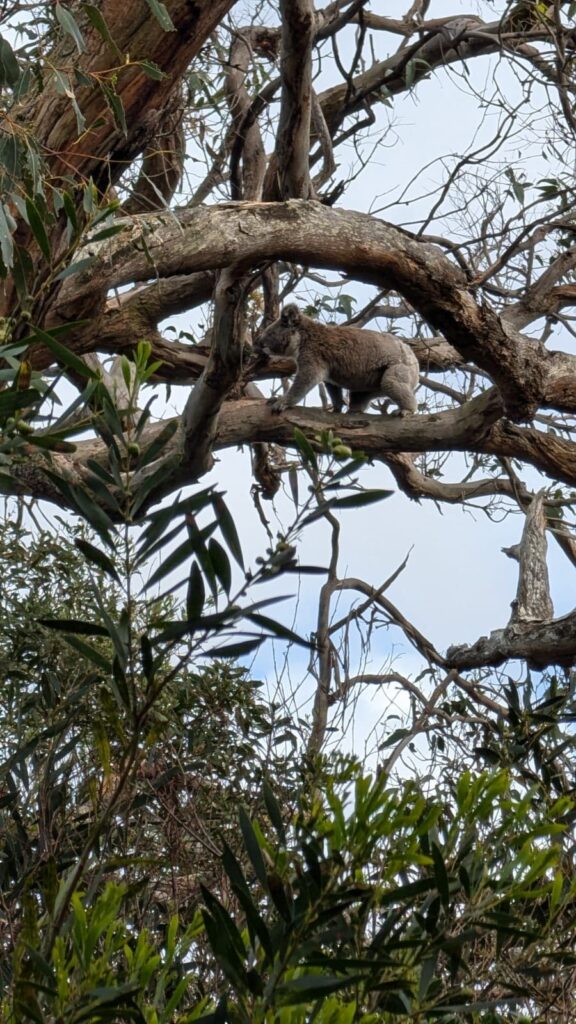
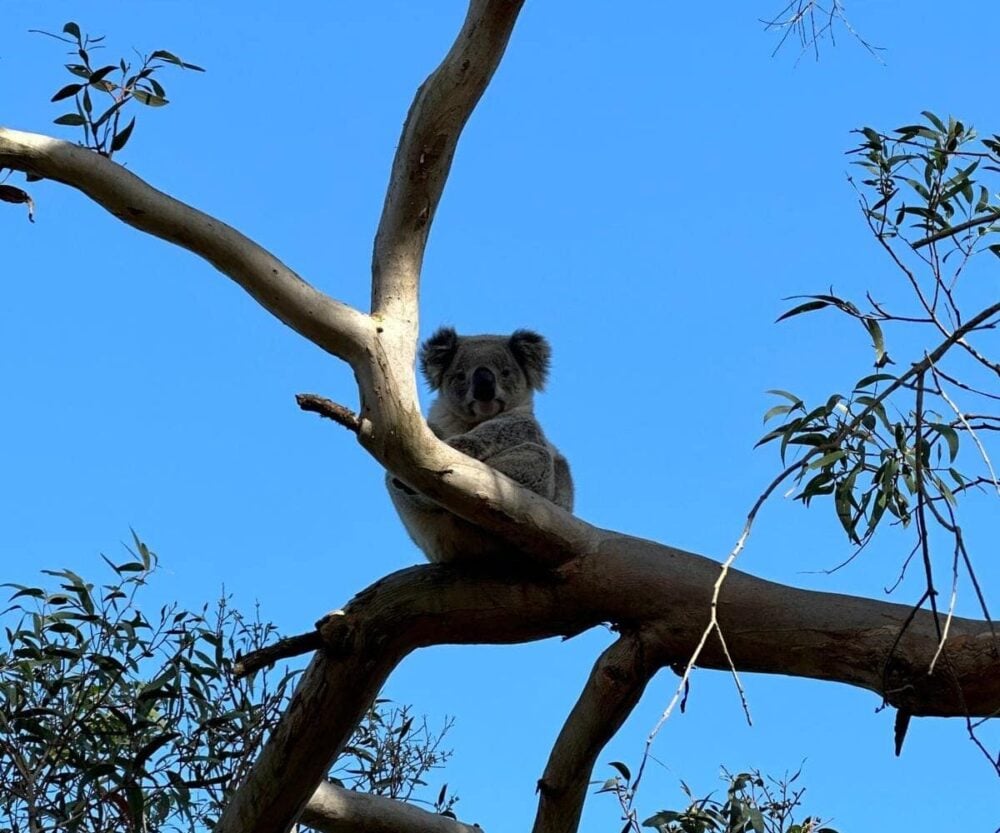
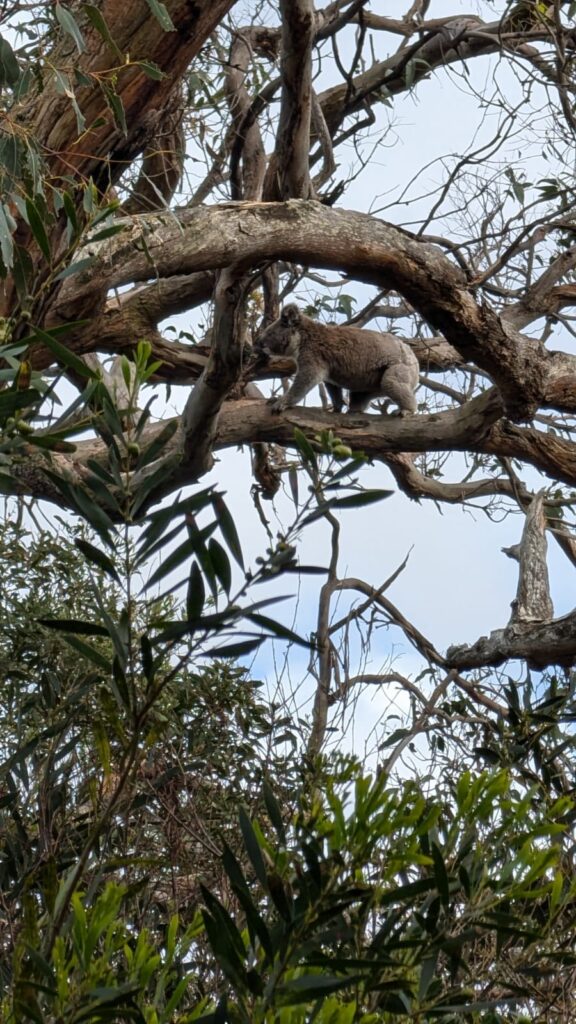
Keep your eyes out for Koalas and Kangaroos... oh and the leeches!
Lunch will be at the summit. Toilets are available.
After lunch, we will continue on the GSWW toward Swan Lake. Just follow the red arrows!
Our bus will meet us again at Swan Lake. Here, we board and head to Port MacDonnell, our accommodation for the night. Please note that tonight, we will have shared bathroom facilities at the hotel.
Day 5:
Port MacDonnnell to Mount Gambier
The roads today are very quiet and flat. Moving away from the coast we head inland for around 3 hours to Mt Schank, a 100m high dormant volcano. Its cone-shaped form is a rare South Australian example of volcanic activity, that has been little affected by erosion. After a rest at the picnic ground here, we continue our afternoon trek to Mount Gambier.
Day 6:
Mount Gambier to Bush Haven Cottage
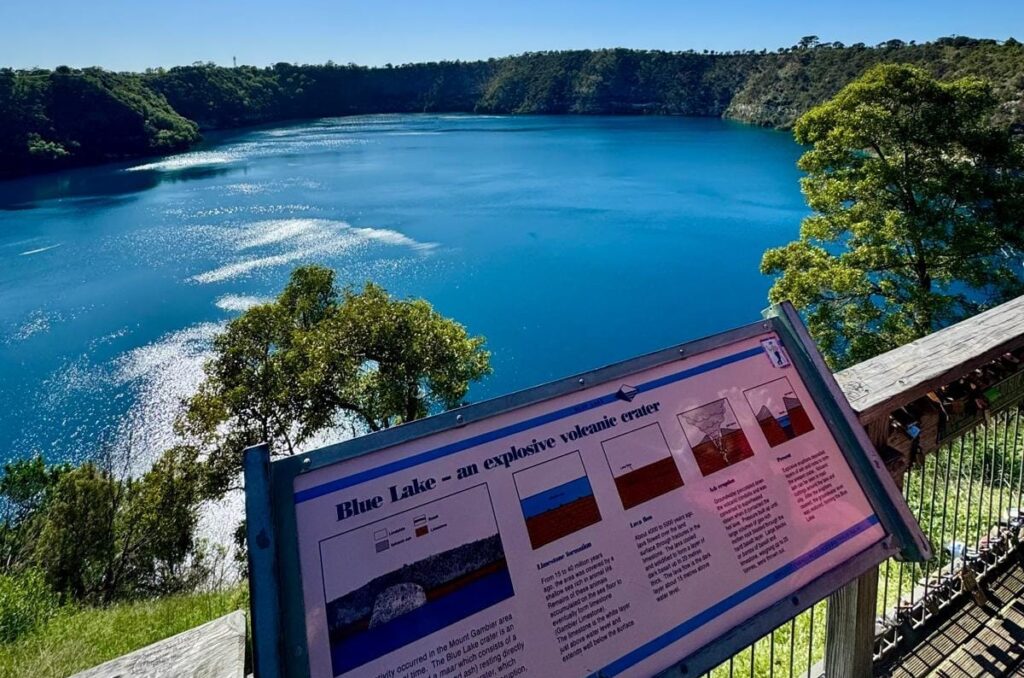
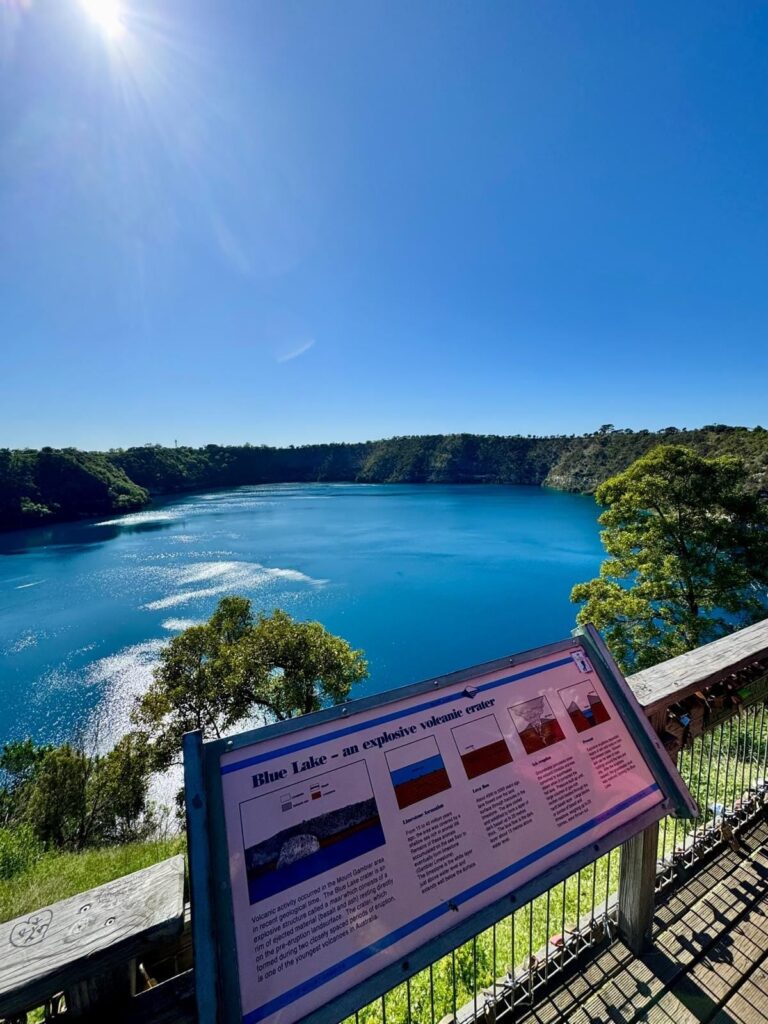
A cafe breakfast before some sight-seeing around this beautiful city. The second most populated city in South Australia, Mount Gambier is known for its geographical features, particularly volcanic and limestone, and its Blue Lake, parks and gardens, caves, and sinkholes.
A late morning trek of around three hours, past the Mount Gambier Regional Airport at Wandilo to Bush Haven Cottage at Mingbool.
Day 7:
Bush Haven Cottage to Kalangadoo
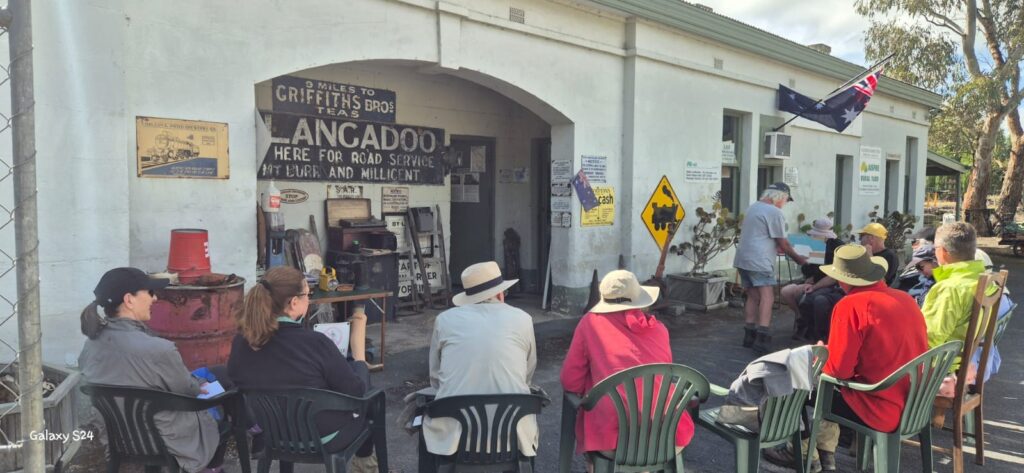
A relaxed start to the day allows us time to enjoy this rich agricultural district, specialising in potatoes and timber, apple orchards, beef cattle, sheep and dairy cattle. The village flourished with the construction of a narrow-gauge railroad in 1887, languishing with the introduction of cars. Kalangadoo has a general store, a farm supply store, a pub, and a timber mill. The disused railway station houses a small museum.
Day 8:
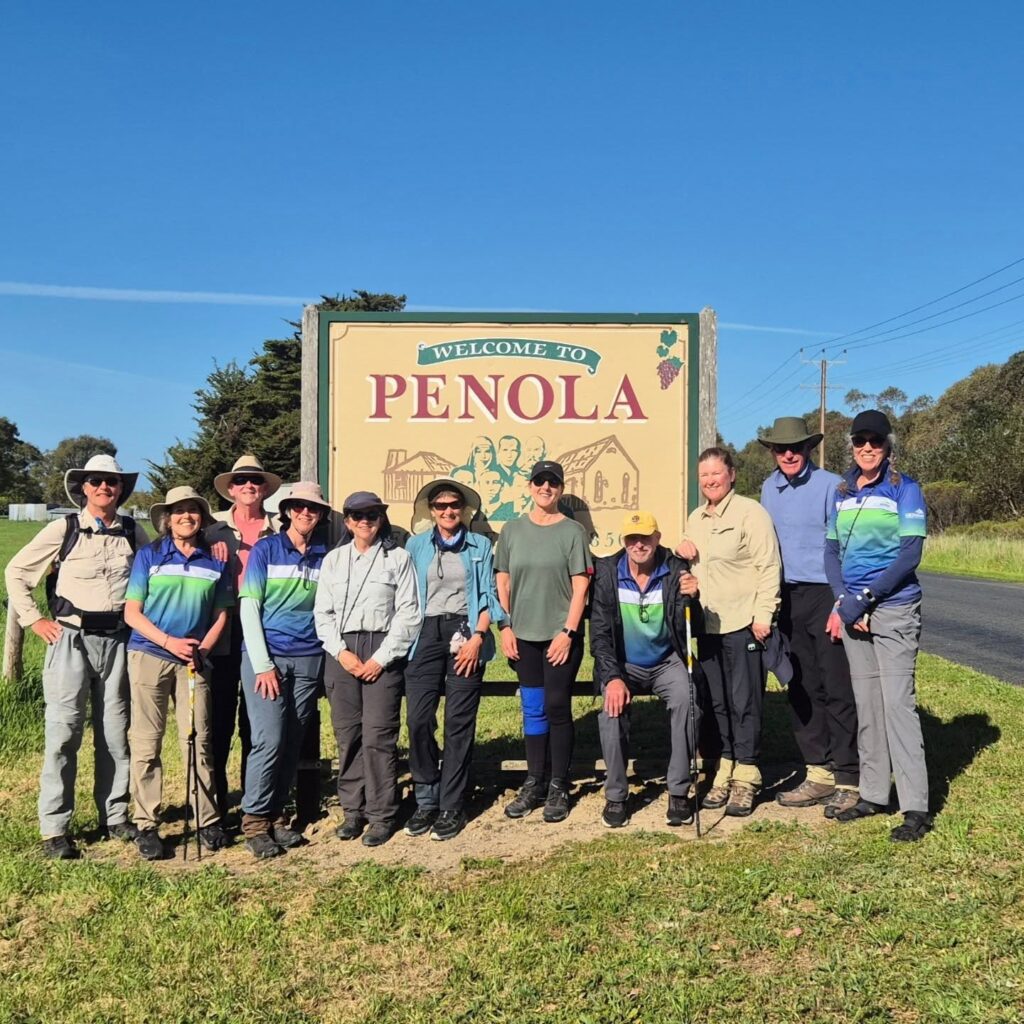
Kalangadoo to Penola
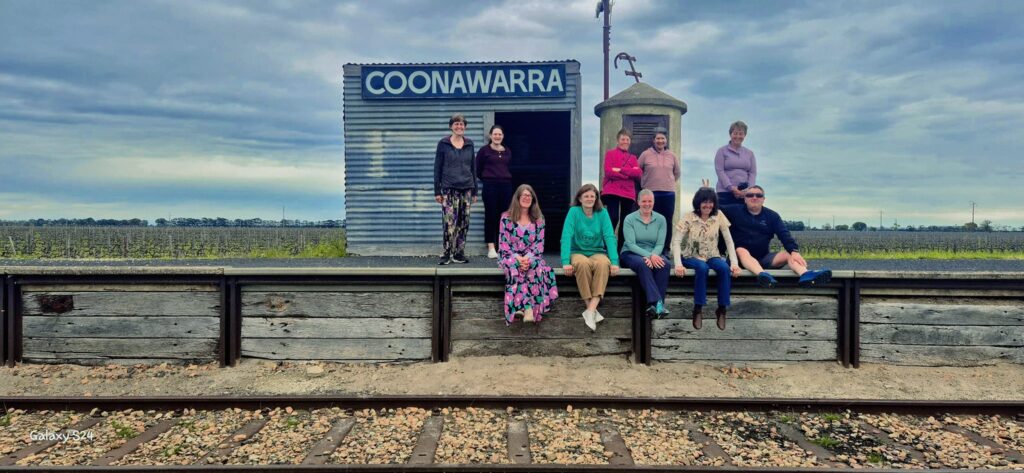
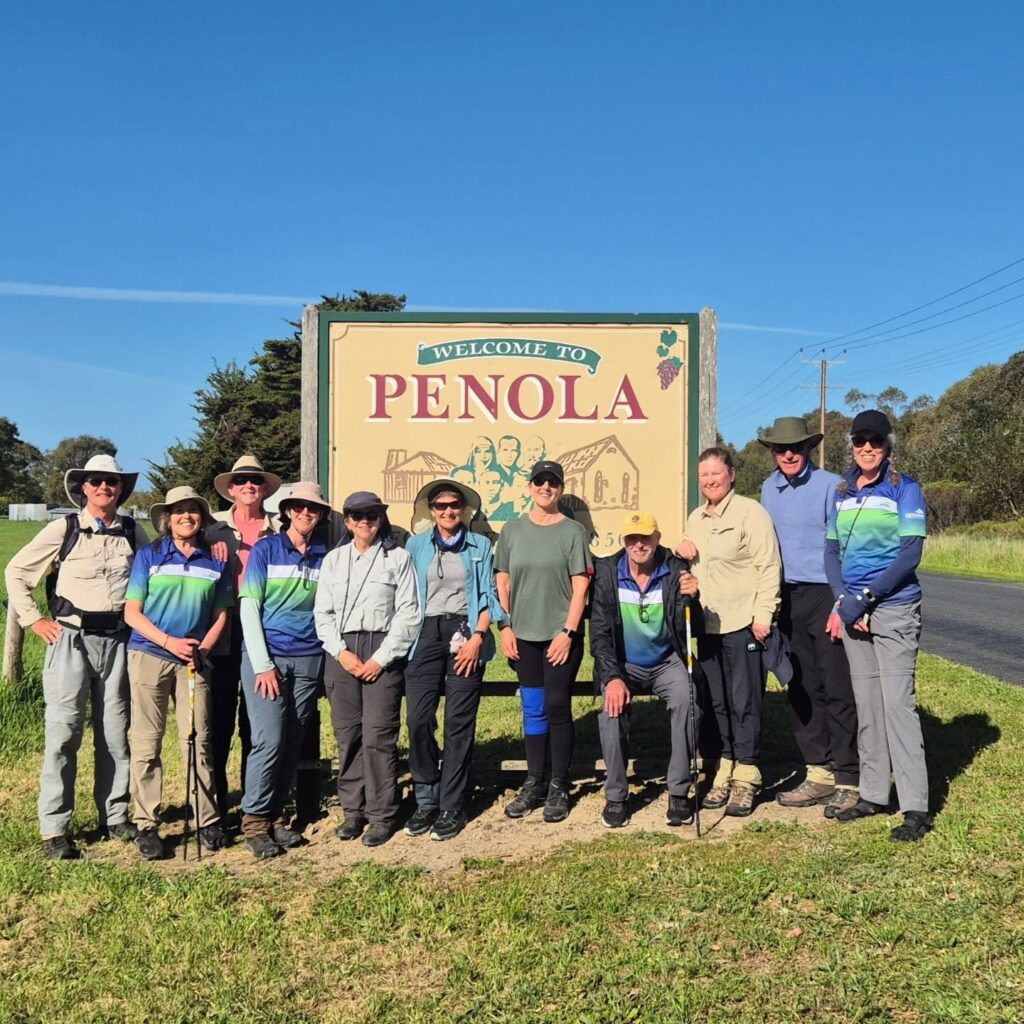
Our trek follows the railway line for part of this long and challenging day. Penola was the central location in the life of Mary MacKillop and Julian Tenison Woods. Here, the pair established St Joseph's School, the first free Catholic school and a congregation of religious sisters, the Sisters of St Joseph of the Sacred Heart. Otherwise known as the "Josephites" or "Brown Joeys", they continue to work with the poor and needy communities throughout the world today.
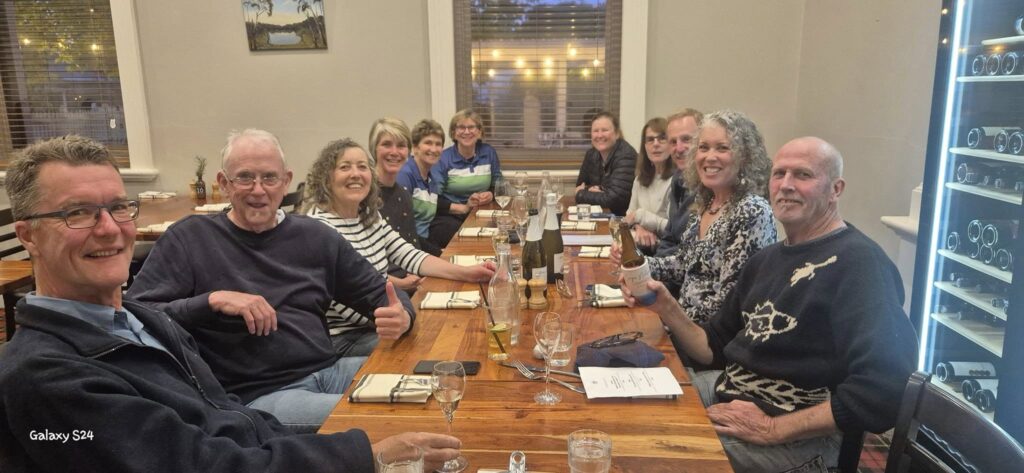
On the last day of our trek, we will celebrate what we have achieved with a relaxing dinner!
Day 9:
Full Day in Penola and a Winery Lunch
A full day in this lovely town to explore and take in everything on offer. We will have the opportunity to attend Mass (for those who wish to do so), before a tour through the Mary MacKillop Interpretive Centre.
This is a wonderful commemoration of Saint Mary, with some fantastic information. There's no hurry so take your time - here is where we will also receive the final stamp of our passports and collect our Compostela.
Spend some time in the recreation of Mary's first school room before wandering down Petticoat Lane and viewing the historic buildings. As Penola is at the southern end of the Coonawarra Region, we will take the opportunity to visit a winery for lunch. The afternoon is at leisure.
Day 10:
Penola to Melbourne
After a leisurely breakfast, we will board our bus and leave Penola for the journey back to the Mary Mackillop Centre in East Melbourne, where we all began!
En route, we will stop for breaks and meals.
Frequently Asked Questions
Who was Mary MacKillop, and what was her significance to the Aussie Camino Pilgrimage?
Mary MacKillop (1842–1909) was an Australian religious sister and educator who became the first saint of Australia. Born in Melbourne, she co-founded the Sisters of St Joseph of the Sacred Heart in 1866, which established schools, orphanages, and services for the poor throughout Australia, particularly in rural and remote areas.
The Aussie Camino is a Mary MacKillop pilgrimage trail inspired by her life. It starts in Portland, Victoria, where she started her work as a governess and ends at Penola, South Australia, where she co-founded the Sisters of St Joseph and opened her first school. The Mary MacKillop walking trail is modelled on the famous Camino de Santiago in Spain and provides an opportunity for spiritual reflection while tracing significant places related to Mary MacKillop’s life.
You can read more about her life here: Mary MacKillop’s biography
Is the Australian Camino Walk suitable in later life?
Don’t worry about your age being a barrier. The Aussie Camino welcomes people of all ages, including those between 50 and 80 years old.
What training do you need for the Camino?
Start by incorporating a walking routine of 5 kilometres, three times a week, during the initial weeks. Over time, gradually progress to walking five days a week, achieving this by the fifth week of your training program. The next step involves steadily increasing the daily walking distance.
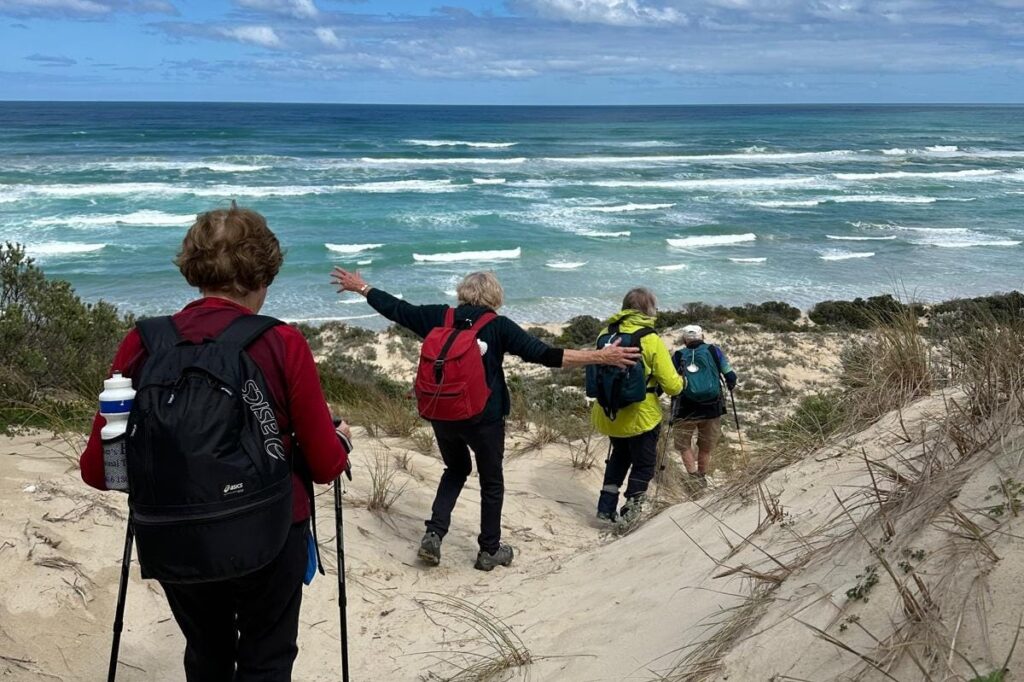
The ultimate objective is to work up to walking 10 to 15 kilometres for five days every week. It is advisable to vary the walking surfaces, such as walking on sand, as the terrain along the route changes.
Will I have to carry everything myself?
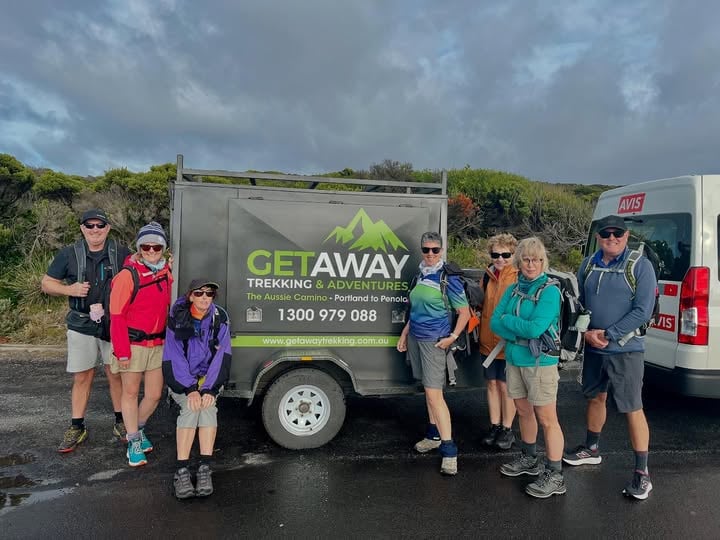
While on the trip, we have a dedicated support bus that accompanies us daily. This bus is responsible for transporting our luggage from one accommodation spot to another every day.
During the day, all you need to carry is a small day pack containing approximately 1 litre of water. We will have the opportunity to refill our water supply daily when we rendezvous with the bus.
Additionally, it’s important to have wet weather gear and a small personal first aid kit with you for your own use.